
7 Signs Your Website Needs a Redesign (and What to Do)
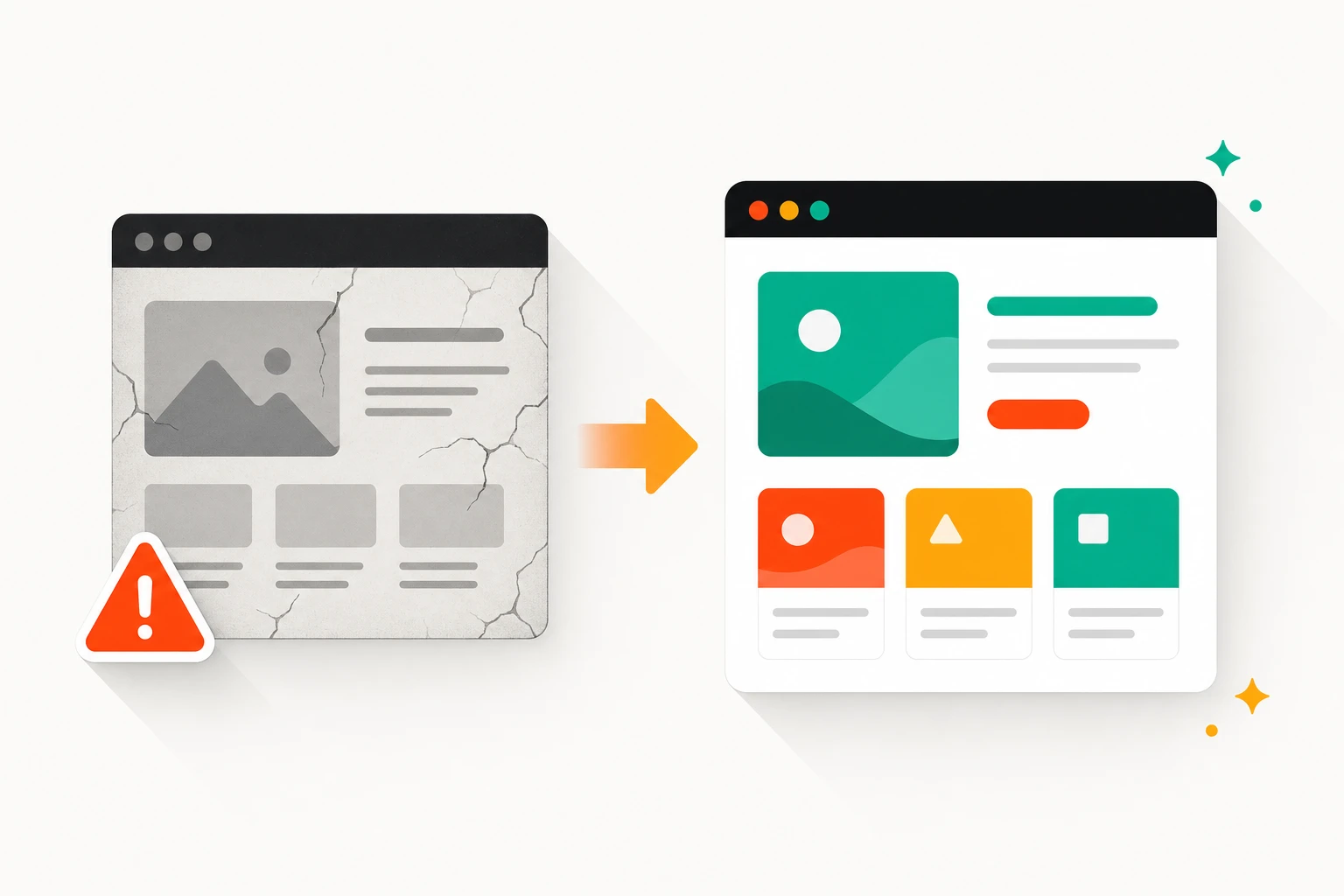
A website does not fail all at once. It slowly slips behind, loading a little slower, looking a little dated, converting a little worse, until one day it is quietly costing you real business. The good news is the warning signs are easy to spot. If a few of these sound familiar, it is time to plan a redesign.
1. It is slow to load
Visitors leave sites that take more than a few seconds to appear, and Google factors speed into rankings. If your pages feel sluggish on mobile data, that alone is reason enough to rebuild on a modern, optimized foundation.
2. It is not truly mobile-friendly
Most traffic is mobile. If people have to pinch, zoom, or fight tiny buttons, they will not stay. A redesign should be mobile-first, not a desktop site squeezed onto a phone.
3. It looks dated
Design trends move, and an old look signals an out-of-touch business, fairly or not. Customers judge credibility in seconds. A fresh, clean design builds trust before a single word is read.
4. It does not convert
Traffic with no leads is the clearest signal of all. Weak calls to action, confusing navigation, and no trust signals all leak potential customers. A conversion-focused redesign turns more of your existing visitors into enquiries.
5. You cannot update it yourself
If changing a phone number means emailing a developer, your site is holding you back. A modern build gives you a simple content system so your team can make everyday edits without touching code.
6. It is invisible in search
If you never appear on Google for what you sell, the site was likely built without SEO in mind. A redesign is the ideal moment to fix site structure, technical SEO, and content so you start getting found.
7. It no longer matches your brand
Businesses evolve. If your website still reflects who you were three years ago, the message and the market have moved on. Your site should tell your current story clearly and consistently.
What a good redesign should fix
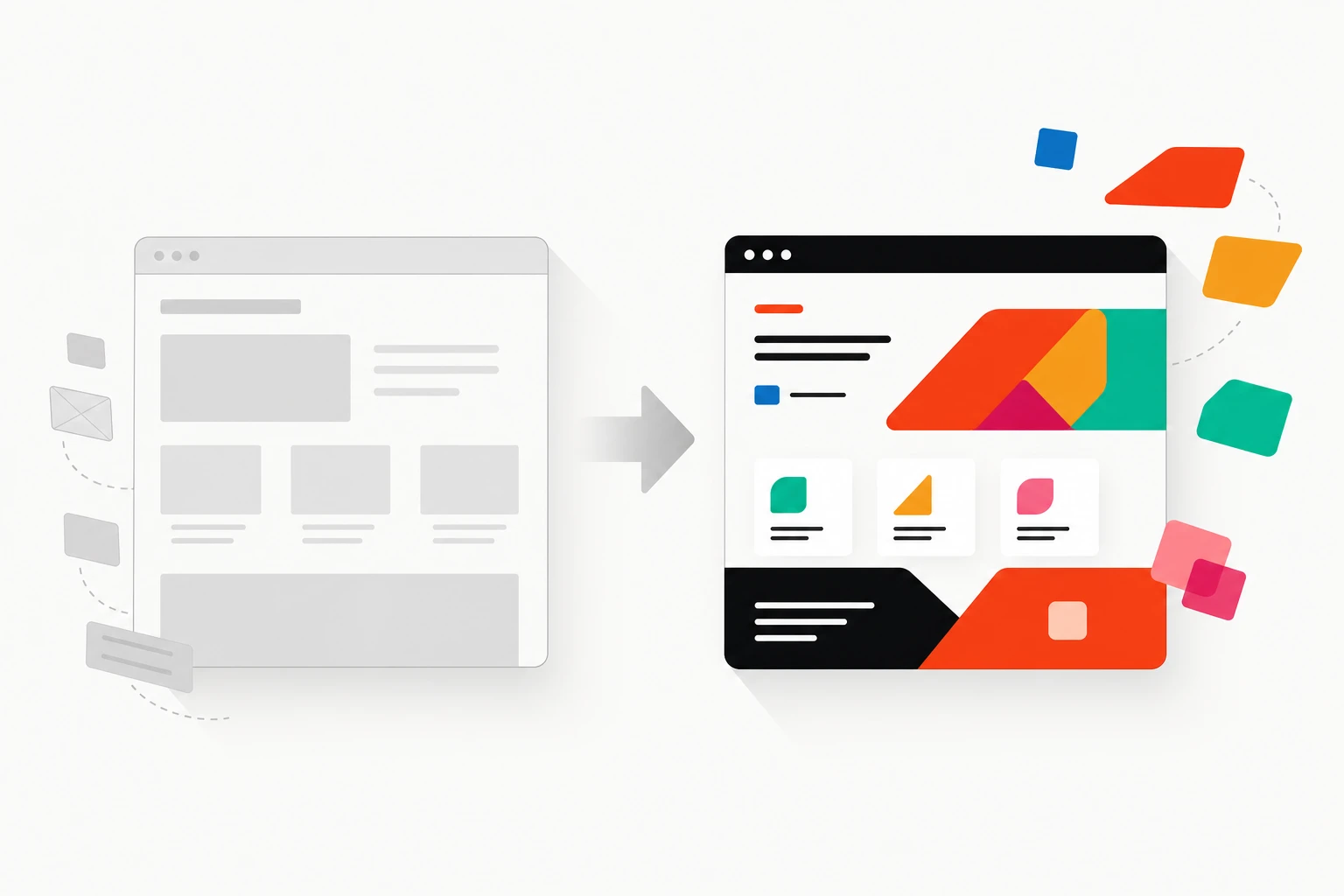
A redesign worth paying for does more than look nicer. It should deliver faster load times, a mobile-first layout, clearer calls to action and conversion paths, an easy content system, and SEO built in from the start. In other words, it should make the site work harder, not just look better.
How to redesign without losing your SEO
This is the part that scares people, and it is avoidable. Done carelessly, a redesign can tank your rankings overnight. Done right, it protects and improves them. The essentials are simple: map every existing URL, preserve or improve your titles and meta data, set up proper 301 redirects for any changed URLs, keep your best-performing content, and test everything before launch. A careful migration means you keep the traffic you have earned while gaining a better site.
If your site is showing a few of these signs, a free audit is the fastest way to see exactly what is holding it back and what a redesign would change.